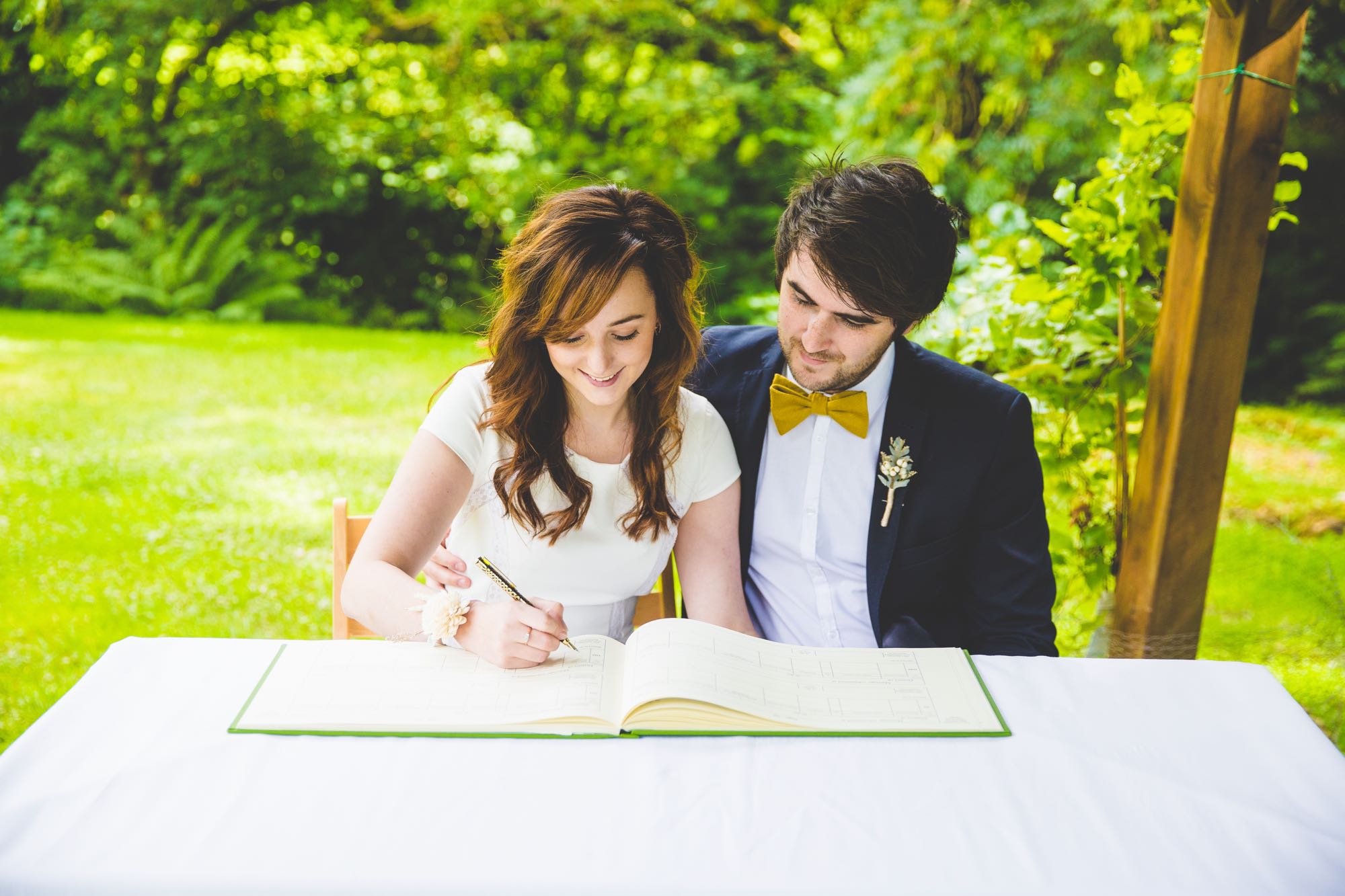
Proposed Changes to Marriage Laws in England and Wales
Last updated: 4 August 2026
What is changing about marriage ceremonies?
The proposals have been described by the Government as the biggest shake-up of wedding law in almost 200 years, although we would argue that the introduction of same-sex marriage was a pretty significant change too.
The latest proposals would represent a major change to how legal marriage ceremonies are regulated in England and Wales. At present, civil marriage ceremonies must generally take place at a register office or an approved wedding venue. Religious marriage ceremonies are governed by a different and sometimes complicated set of rules.
At the heart of the proposed reforms is a move away from regulating the building in which a marriage ceremony takes place and towards regulating the officiant responsible for it. This could give couples much greater flexibility over where and how they legally marry.
Under the proposals, legal marriage ceremonies could potentially take place in a much wider range of locations, including beaches, forests, private gardens, castles and even cruise ships. However, this would not mean that ceremonies could automatically take place anywhere. They would still need to meet legal requirements and proposed rules concerning safety, consent and the dignity of marriage.
Currently, couples who want to hold their ceremony in a location where a legal marriage cannot take place often choose a celebrant-led ceremony. However, most independent celebrants cannot currently conduct a legally binding marriage. The couple must therefore complete a separate legal ceremony, usually at a register office or approved venue. This can be a simple ceremony and does not have to recreate their main celebration.
Under the proposed reforms, this two-step process may no longer be necessary. Subject to the officiant being legally authorised and the ceremony meeting the required standards, couples could marry legally in a much wider range of places. These could include their own home or garden, a field, private land or a beach. Permission from the landowner and requirements relating to safety and the dignity of the ceremony would still apply.
The reforms could also provide greater flexibility for religious, non-religious belief, mixed-faith and interfaith couples. For example, civil ceremonies could potentially include some religious or belief-based elements.
For venues such as The Green that already hold a wedding license, the changes could allow legal ceremonies to take place in more locations across the venue.
Existing celebrants would not automatically gain the authority to conduct legal marriages. They would need to qualify and be authorised under whatever regulatory system is eventually introduced. The proposals have not yet become law, so the final rules may change.
It is important to understand that these changes have not yet become law. The Government launched a consultation in July 2026 to help decide how the new system should work. Until new legislation is passed and brought into force, couples must continue to follow the existing marriage laws.
Here is a link to the current Ministry of Justice consultation.
So, will I be able to get married absolutely anywhere?
The proposals would offer couples much greater choice, but not complete freedom. The location would need to be agreed by the authorised officiant, who would be responsible for ensuring that it was safe and suitable and upheld the dignity and significance of marriage.
The officiant would also need to ensure that the ceremony met all the legal requirements, including the couple giving valid consent, the presence of witnesses and the marriage being properly recorded.
Practical considerations such as accessibility, sufficient space, shelter and the risk of noise or interruptions may affect whether a location is suitable. Couples would also need permission to use the land. Wet-weather arrangements, seating, toilets and parking would still need to be considered, although these are practical planning matters rather than necessarily legal requirements.
What is the likely timeframe for the changes?
There is currently no confirmed date for the proposed changes to become law. The timetable so far is:
- 16 July 2026: The Government launched its consultation.
- 24 September 2026: The consultation closes.
- After September 2026: The Government will consider the responses and finalise its proposals.
- Future legislation: A new law will need to be drafted, introduced to Parliament, debated and approved. The Government has said only that legislation will be introduced “when parliamentary time allows”.
- Implementation: Even after legislation is passed, time may be needed to establish the new regulatory system, authorise and train officiants and prepare registration services.
It is therefore unlikely that couples will see any immediate change. 2029 may be a plausible estimate, but it is not an official or confirmed date. The process could be completed sooner or take considerably longer.
Until the new legislation has been passed and brought into force, all marriage ceremonies must continue to follow the existing law.
What is not changing?
The proposed reforms relate mainly to the legal marriage ceremony. They would not automatically give couples permission to hold a marquee or tipi wedding reception on a beach, in a public park or on any other piece of land.
Separate laws and local restrictions relating to planning, land use, alcohol, entertainment, noise, public nuisance, health and safety and the use of public spaces would continue to apply. Couples would still need the landowner’s permission and may also require consent from the local authority or other relevant bodies.
A Temporary Event Notice, commonly called a TEN, may be required if alcohol is to be sold, regulated entertainment is provided or hot food and drink are served between 11pm and 5am, unless those activities are already covered by an existing premises licence. Music continuing after 11pm may also require licensing permission.
In short, the proposals could make it possible for the legal ceremony to take place in a wider range of locations, but they would not remove the rules governing the rest of the wedding celebration.
No. The proposed reforms have not yet become law, and there is currently no confirmed implementation date. Couples must continue to follow the existing legal requirements for marriage ceremonies in England and Wales. This page will be updated when the Government announces any confirmed changes.
Will the changes make weddings cheaper?
The proposed reforms could make the legal process cheaper for some couples, but they are unlikely to make weddings as a whole dramatically less expensive.
In Cornwall, the most basic statutory marriage appointment currently costs £62. This is an administrative appointment with only the couple and two witnesses, rather than a full ceremony. A registrar-led ceremony at an approved wedding venue currently costs £790 on a weekday or Saturday. Notice fees and the marriage certificate are charged separately.
Some couples currently pay for both a simple legal marriage and a separate celebrant-led ceremony. If independent officiants are permitted to conduct legally binding ceremonies under the new system, these couples may no longer need to pay for both. However, celebrants already commonly charge fees comparable to those charged by registration services. If they take on additional legal, administrative and regulatory responsibilities, their fees may increase.
It is also important to keep the ceremony cost in perspective. According to Hitched’s 2026 Wedding Industry Report, the average UK wedding costs £21,990. This includes expenditure on the venue, food, clothing, photography, entertainment, flowers and many other elements that would not be affected by marriage law reform. We have to say that this seems alittle hight to us as The Green Cornwall offers excellent value for money, get a quote for a specific date or an estimate.
The changes may therefore reduce costs for some couples and create more choice, but they will not automatically make the whole wedding substantially cheaper. Headlines suggesting that the reforms will lead to “cheaper weddings” may be referring mainly to the legal ceremony rather than the overall cost of the wedding celebration.
The Cornwall figures are confirmed by Cornwall Council’s current ceremony fees.